


InstaCuppa 3-in-1 Cold Press Juicer for Home for Busy Moms, Unique Gradual Shaped Auger, 250W Copper Motor, 5.5” Big Mouth Feed Chute
InstaCuppa 3-in-1 Cold Press Juicer for Home for Busy Moms, Unique Gradual Shaped Auger, 250W Copper Motor, 5.5” Big Mouth Feed Chute
Couldn't load pickup availability
How our guarantee works
- Use it at home for 10 days. Not happy for any reason? Free pickup and a full refund.
- After the 10-day trial, the 1-year warranty takes over: manufacturing defects are replaced free.
- Arrived damaged? Tell us within 48 hours. Free replacement, no return shipping.
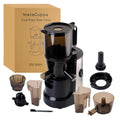




InstaCuppa 3-in-1 Cold Press Juicer for Home for Busy Moms, Unique Gradual Shaped Auger, 250W Copper Motor, 5.5” Big Mouth Feed Chute
Powerful 250W Motor: The 250W copper motor of this cold press juicer extracts maximum juice from fruits and vegetables while preserving nutrients and flavors; It offers the same benefits as a slow juicer cold pressed, without disturbing your home
Time-Saving Wide Feed Chute: The 5.5" wide feed chute saves you time by allowing you to add whole fruits and vegetables directly, no need for cutting; Perfect for busy mornings with a best juicer machine for home that makes juicing quick and easy
In-Built Chopper for Smooth Juicing: The built-in chopper automatically cuts fruits and vegetables into smaller pieces, ensuring a smooth juicing process; This makes it a great carrot juicer machine for home or vegetable juicer machine for home
3 Versatile Filters: Switch between juice, citrus, and sorbet filters to make cold-pressed juices, citrus drinks, or frozen treats; This cold press juicer can create everything from fresh beetroot juicer machine for home juice to refreshing sorbets
Easy to Clean & Safe: BPA-free, food-grade parts ensure safety, and the dishwasher-safe design makes cleaning quick and easy; It’s the perfect cold pressed juicer machine for busy moms who need a quiet juicer for moms
Video Transcript
[0:00] Here's the Instacopac cold press juicer which is made of 100% BPF-free full grade material and has powerful copper motor as well. This is the motor base and here are the power buttons. So reverse button helps you if anything gets stuck and with the power button you can start the juicer. This is the juicing bowl with some accessories, let's take a look at them. So first is this auto cutting auger which helps in juice extraction and this is the juice trainer which separates the pulp from juice. There's a separate sorbet attachment which you can use to make sorbets and this is the
[0:30] juicing bowl which collects the juice. This is the leak proof juice out through which you can collect the juice in the juice jar. On the other side there is an outlet for pulp and here's the large feeding shoot this juicer comes with. It also has a tamper to push the stuck food inside. This jar has a large capacity and because it has a wide mouth even whole apple or similar whole fruits can be added to it. You get two such jars, one for juice collection and the other for pulp collection.
[1:00] This is the citrus juice attachment which comes with a strainer, so let me show you the cone. This is the juicing cone and the strainer ensures that there is no pulp or seeds in your juice. And this is the juice bowl which comes with a spout for juice. Here's the shot which we'll see how to use and this is the cleaning brush. The other end of which can be used to push out the stuck pulp by cleaning. To use the juicer place the juicing bowl so that it doesn't move and then align the rectangle
[1:30] and notch of the juicing tank such that the strainer doesn't move, place the auger and then place the feeding shoot and lock it. Now to switch the strainer you need to remove the feeding shoot auger and remove the juice strainer and place the sorbets strainer by aligning the rectangle with the notch. And then place the feeding shoot and close the safety lock as shown. Place the juice and pulp jars and you're ready to go. For the citrus juicer first you need to place the shaft and then the juicing bowl and then
[2:00] lock the lid as shown, place the cone and place only the juicing jar. The juicer also comes with pocket handles to easily move it and an anti-skid base and
Video Transcript
[0:00] Let's see how to clean the InstaCopper cold-press slow juicer after using it. Let's start with the Citrus Juicer attachment. Take off all the parts. Now clean the main body with a dry or a damp cloth. Do not wash this motorways with water. Discard the leftover pulp and separate all the parts. After rinsing gently scrub with a sponge and dishwasher liquid and then rinse all the parts with some water. After washing you can let these air dry or you can wipe these dry.
[0:30] Let's see how to clean the cold-press juicer setup. Power on and add around 500 ml water and let it run for 10 to 15 seconds. This will make it very easy for you to clean the juicer. Discard the water and then separate all the parts. Rinse all the parts with water. Take off the juice strainer ring and use a cleaning brush to easily clean the strainer. Next you need to take off the silicone plug. It doesn't come off completely just a side of it. Then use the other side of the cleaning brush to push the pulp out.
[1:00] After that use the dishwasher liquid and water to clean all the parts. Close the silicone plug after washing.
Videos
What’s in the Box: InstaCuppa 3-in-1 Cold Press Juicer | Complete Unboxing Guide
How to Clean InstaCuppa 3-in-1 Cold Press Juicer | Easy Cleaning Guide for Busy Moms
Guides & Articles
Learn more from our expert guides:


Product specifications and technical details for this InstaCuppa product.
| Product Name | InstaCuppa 3-in-1 Cold Press Juicer for Home for Busy Moms, Unique Gradual Shaped Auger, 250W Copper Motor, 5.5” Big Mouth Feed Chute |
| SKU | InstaCuppa_ColdPress_Juicer |
| Brand | InstaCuppa Store |
| Category | Juicer |
| Title | Default Title |
| Country of Origin | China |
| Imported & Marketed By | InstaCuppa Services Private Limited 10/29, Nalanda Nagar, Tirupati, Andhra Pradesh - 517502, India |
| Warranty | 1 Year Manufacturer Warranty + 10-Day Free Trial |
| Customer Care | WhatsApp: 7330966937 Email: support@instacuppastore.com |
Here’s all you need to know
Start by washing all removable parts with warm soapy water before first use. To assemble, place the juicing bowl on the motor base, insert the auger, then attach the strainer and top cover - parts fit together in sequence with alignment marks. Feed washed fruits or vegetables through the 5.5-inch chute while the motor is running. The gradual shaped auger slowly crushes and presses produce against the strainer. Juice flows through one spout while pulp exits through another. For best results, cut harder produce like carrots into smaller pieces, though the wide chute handles whole apples and oranges. The process takes 2-3 minutes longer than centrifugal juicers but preserves more nutrients. After juicing, immediately rinse parts under running water to prevent pulp from drying.
For most fruits and vegetables, peeling is optional but depends on the produce type. Citrus fruits like mosambi, oranges, and lemons should be peeled to avoid bitterness from the rind oils. Apples, carrots, cucumbers, and beetroot can be juiced with skin on after thorough washing - the skin contains valuable nutrients and fiber. However, remove thick, inedible peels from pineapple, pomegranate, and watermelon rind. Always remove hard seeds and pits from mangoes, cherries, and similar fruits as they can damage the auger. For leafy greens like spinach or coriander, roll them into tight bundles and alternate with harder produce for better extraction. Remove any stickers from store-bought produce and cut items to fit the feed chute comfortably.
Yes, there's a small learning curve but you'll master it within 3-4 uses. The key difference from centrifugal juicers is that cold press juicers work slowly - forcing produce too quickly actually reduces extraction. Feed ingredients at a steady, gentle pace, allowing the auger time to crush completely before adding more. Alternate between soft fruits (like oranges) and hard vegetables (like carrots) for optimal flow. Some users initially complain about pulp retention, but this often happens when they rush the process or don't cut fibrous vegetables into smaller pieces. For maximum extraction from leafy greens, sandwich them between harder produce. The gradual shaped auger design means ingredients travel through multiple crushing zones, so patience yields 15-20% more juice compared to rushing. After a few sessions, you'll develop a rhythm.
Yes, this cold press juicer handles leafy greens and wheatgrass effectively, which is a major advantage over centrifugal juicers. The slow-speed auger and low RPM motor prevent oxidation and heat buildup, preserving chlorophyll and nutrients in greens. For best results with spinach, kale, coriander, or mint, roll leaves into tight bundles and feed them alternately with harder produce like apple or carrot - this helps push the greens through the auger. Wheatgrass works well but yields are moderate; you may need a substantial amount for a full glass. Since the auger crushes rather than shreds, you'll notice greens take slightly longer to process than harder vegetables. Some pulp retention is normal with very fibrous greens - this is moisture-rich fiber, not wasted juice. Clean the strainer mesh immediately after juicing greens to prevent residue from drying.
The juicer features a 3-litre collection capacity, which refers to the combined volume of the juice and pulp containers. In practical terms, you can continuously juice for about 15-20 minutes before needing to empty the containers, which typically yields 1.5-2 litres of pure juice depending on the produce used. Watery fruits like oranges, mosambi, and watermelon produce more juice volume compared to fibrous vegetables like carrots or beetroot. The 5.5-inch wide feed chute allows you to juice whole medium-sized apples, oranges, or tomatoes without pre-cutting, saving prep time. For a family of 4, you can easily make fresh juice for breakfast in one batch. The motor is designed for continuous operation, so you can refill and continue juicing if needed, though it's wise to give the 250W copper motor a brief rest after 20 minutes of continuous use.
Yes, all parts that come in contact with food are made from BPA-free materials, making it safe for daily use by your entire family. The juicing bowl, auger, strainer, and juice containers are constructed from food-grade plastic that meets safety standards. BPA (Bisphenol A) is a chemical found in some plastics that can leach into food and has been linked to health concerns, which is why BPA-free certification matters especially for products used daily. The 250W copper motor housing is separate from food-contact areas. Cold press juicing at slow speeds (typically 60-80 RPM for this type of juicer) also means minimal heat generation, preventing any potential chemical leaching that could occur with high-speed juicers. The product is imported and marketed by InstaCuppa Services Private Limited and meets Indian food safety standards. For maximum safety and longevity, avoid using abrasive cleaners or placing food-contact parts in high-temperature dishwashers.
The 250W copper motor offers superior durability and efficiency compared to aluminum or mixed-metal motors found in cheaper juicers. Copper winding motors generate less heat during operation, run quieter, and have a longer lifespan - often 3-5 years with regular use versus 1-2 years for standard motors. For cold press juicers, wattage alone doesn't determine performance; the slow RPM and torque matter more. This 250W motor provides sufficient torque to crush hard vegetables like carrots and beetroot without straining, while operating quietly enough for early morning use without disturbing sleeping family members. The copper construction also means better electrical conductivity and energy efficiency, drawing consistent power without voltage spikes. You'll notice this juicer runs cooler to the touch compared to high-wattage centrifugal juicers. The motor is designed for the gradual crushing action of cold press technology rather than high-speed spinning.
Immediate cleaning is crucial to prevent pulp buildup, which is the main complaint in negative reviews. Right after juicing, disassemble all parts and rinse under running water - pulp washes off easily when fresh but becomes stubborn when dry. Use the included cleaning brush to scrub the strainer mesh from both sides, paying special attention to tiny holes where pulp can lodge. For the auger and juicing chamber, use warm soapy water and the brush to reach crevices. If pulp does get stuck, soak parts in warm water with a drop of dish soap for 10-15 minutes before scrubbing. Many users who complained about stuck pulp were likely letting residue dry before cleaning. The gradual shaped auger has spiral grooves that need thorough brushing. Avoid harsh scrubbers that might scratch plastic surfaces. Once weekly, you can soak all parts in a solution of water and vinegar (1:3 ratio) for deep cleaning and odor removal.
While some parts are technically dishwasher-safe, hand washing is strongly recommended for longevity and thorough cleaning. The high heat and harsh detergents in dishwashers can gradually degrade the BPA-free plastic, cause cloudiness, and potentially warp components over time. The strainer mesh particularly needs hand scrubbing with a brush to remove pulp from tiny holes - dishwashers often can't dislodge stuck particles effectively. The auger's spiral grooves also require manual brushing to prevent residue buildup in crevices. If you do choose to use a dishwasher, place parts on the top rack only and use a gentle cycle with lower temperature settings. Never put the motor base in water or dishwasher - simply wipe it with a damp cloth. For busy moms, hand cleaning actually takes just 3-5 minutes with running water and the provided brush, which is faster than loading, running, and unloading a dishwasher cycle.
Daily maintenance involves immediate rinsing and brushing after each use, which prevents 90% of cleaning issues. Once a week, do a deeper clean by soaking all removable parts in warm water with white vinegar (1 part vinegar to 3 parts water) for 15-20 minutes - this removes mineral deposits, prevents odors, and keeps the strainer mesh flowing freely. Monthly, inspect the strainer mesh for any microscopic clogs by holding it up to light; use a toothpick to clear individual holes if needed. Check the auger for any hairline cracks or wear every few months. The motor base just needs exterior wiping with a damp cloth weekly. If you notice reduced juice yield over time, it's usually due to accumulated pulp in the mesh rather than motor issues. Lubrication isn't typically needed for the auger shaft, but if you hear squeaking, a food-grade lubricant on the shaft can help. With proper daily cleaning, the juicer should maintain optimal performance for years.
This is a common initial complaint that usually has fixable causes. First, check your feeding technique - pushing produce too fast doesn't allow the auger sufficient time to press completely, resulting in wet pulp. Feed slowly and steadily, letting each piece process fully before adding more. Second, the freshness and type of produce matters significantly; older, refrigerated fruits contain less juice than fresh, room-temperature ones. Fibrous vegetables like carrots naturally produce drier pulp than citrus fruits. Third, inspect the strainer mesh for clogs - even minor pulp buildup reduces juice flow, making it back up into the pulp container. Clean the mesh thoroughly between batches. Fourth, ensure all parts are assembled correctly with a tight seal; gaps allow juice to mix with pulp. Some users reported improvement after running pulp through a second time. Finally, cold press juicers extract 10-15% more nutrients but sometimes 5-10% less volume than centrifugal juicers - you're trading quantity for quality and longer shelf life.
First, ensure the power cord is firmly plugged into both the juicer and wall socket, and check if the socket is functioning by testing another appliance. Most cold press juicers have safety mechanisms that prevent operation if parts aren't assembled correctly - verify the juicing bowl, auger, strainer, and top cover are properly aligned and locked in place. Look for alignment arrows or marks on the parts. If the motor hums but doesn't turn, it may be jammed with pulp; switch off, unplug, disassemble, and remove any stuck debris around the auger base. Check if you've exceeded continuous run time - the motor may have an automatic thermal shutoff; let it cool for 30 minutes. Inspect the power cord for any visible damage. If you overloaded the feed chute or forced hard produce too aggressively, an internal safety fuse might have triggered. For persistent electrical issues after these checks, contact InstaCuppa customer service - it's likely covered under the 1-year warranty.
Based on customer feedback, pulp retention is often related to technique and maintenance rather than design flaws. The gradual shaped auger creates multiple crushing zones, and pulp can accumulate if you're juicing very fibrous produce continuously without alternating with watery fruits. Try this: juice an orange or mosambi after every 2-3 carrots or beetroots - the citrus helps flush residual pulp through the system. Ensure you're cutting fibrous vegetables like ginger, celery, or sugarcane into smaller 2-3 inch pieces rather than feeding long strands that can wrap around the auger. Check that the strainer mesh isn't partially clogged, which forces pulp backward. Some users successfully reduce buildup by running a cup of water through the juicer between different produce types. After juicing session, immediately disassemble and rinse - dried pulp becomes cemented in grooves and is much harder to remove. If buildup persists despite these measures, the strainer mesh might need replacement after extensive use.
Mixer grinders and cold press juicers serve different purposes entirely. A mixer grinder blends everything into a thick smoothie or pulpy juice, incorporating all fiber, seeds, and pulp - you're essentially liquefying whole fruits. A cold press juicer separates pure juice from fiber, giving you clear, smooth juice similar to what you'd buy bottled. The slow crushing action (60-80 RPM) preserves more vitamins, enzymes, and antioxidants compared to a mixer's high-speed blades (15,000+ RPM) which generate heat and cause oxidation. Cold pressed juice lasts 24-48 hours refrigerated while blender juice oxidizes within hours. For Indian homes, mixer grinders are versatile for chutneys, batters, and smoothies, while cold press juicers are specialized for daily fresh juice for health-conscious families. If you want concentrated nutrition from fruits and vegetables without fiber bulk, or if family members dislike pulpy texture, a cold press juicer is worth the investment alongside your mixer grinder.
This juicer suits busy moms who want to provide fresh, nutritious juice daily without extensive prep time or hassle. The 5.5-inch wide feed chute is the key advantage - you can drop whole apples, oranges, and tomatoes without chopping, saving 5-10 minutes of prep work on rushed mornings. The quiet motor won't wake sleeping children during early morning juice prep. The 3L capacity means you can make juice for the whole family in one session. However, 'busy' is relative - if you have literally 2 minutes, a ready-made juice is faster. This requires 5 minutes prep and 3-5 minutes cleaning, so it suits moms who can dedicate 10 minutes total to fresh nutrition. It's perfect if you're transitioning from packaged juices to homemade, managing picky eaters who need hidden vegetables, or dealing with elderly family members who need easy-to-digest nutrition. The learning curve is minimal, and the health benefits for growing children make the time investment worthwhile for most families.
Cold press juicers like this one work slowly (60-80 RPM), crushing produce to extract juice with minimal oxidation, preserving more nutrients and enzymes. Juice stays fresh for 24-48 hours refrigerated. They handle leafy greens excellently and produce less foam. However, they're slower and initially pricier. Centrifugal juicers spin at high speeds (10,000+ RPM), making juice very quickly but generating heat that destroys some nutrients. Juice must be consumed within 2-3 hours. They're faster, cheaper, but louder and poor with leafy greens. For Indian households, choose cold press if you want maximum nutrition from expensive produce like pomegranate or organic vegetables, batch-juice for the day, or regularly use greens and wheatgrass. Choose centrifugal if you prioritize speed, have a tight budget, and only juice watery fruits like mosambi or oranges. For health-focused families, especially with children or elderly members, the nutritional preservation of cold press justifies the extra time and investment.
InstaCuppa provides a 1-year warranty covering manufacturing defects and motor issues from the date of purchase. This covers failures in the copper motor, electrical components, and structural defects in the auger or juicing chamber that occur under normal use. The warranty doesn't cover damage from misuse, dropping, using abrasive cleaners, or normal wear on parts like the strainer mesh. InstaCuppa also offers a 10-day trial period during which you can return the product if you're unsatisfied, provided it's in original condition with all parts and packaging. Returns are hassle-free - contact customer service through the InstaCuppa website or your purchase platform. For warranty claims, you'll need your purchase invoice and possibly photos of the issue. Service is handled through InstaCuppa's authorized service centers. Delivery to most Indian locations takes 5-7 days. Keep your original packaging for at least the trial period in case you need to return or exchange the unit.
First, document the issue with photos or videos - this helps customer service diagnose the problem quickly. Contact InstaCuppa customer service through their official website, email, or the platform where you purchased (Amazon, Flipkart, etc.). Provide your order number, purchase date, and detailed description of the issue. For common problems like motor failure, unusual noises, or parts cracking, warranty service is straightforward. Customer service will either guide you through troubleshooting steps, send replacement parts, or arrange for unit replacement or repair. Keep your purchase invoice and warranty card accessible. If the issue occurs within the 1-year warranty period and isn't due to misuse, repairs or replacement should be covered at no cost. Response times typically range from 24-48 hours for initial contact, with resolution within 5-7 days depending on your location. For issues outside warranty, paid repair services or replacement parts may be available. As an established Indian brand, InstaCuppa has a customer service infrastructure specifically for Indian consumers.
This complaint appears in some reviews, but it's typically due to user technique rather than product defect. Cold press juicers work fundamentally differently from centrifugal types - they crush slowly, and some pulp retention in the chamber is normal physics, not waste. However, you can minimize this significantly. First, don't rush - feed produce slowly, allowing complete pressing before adding more. Second, alternate fibrous vegetables with watery fruits to help flush pulp through. Third, and most importantly, clean immediately after use; dried pulp becomes stubborn and creates the 'stuck inside' problem reviewers mention. When pulp is fresh, it rinses away easily. Fourth, cut very fibrous items like sugarcane or thick carrots into smaller pieces. Regarding 'wasted vegetables' - check your pulp; if it's reasonably dry and fibrous, extraction is working correctly. If pulp is very wet, your strainer mesh might be clogged or you're feeding too fast. Some users successfully run pulp through a second time. With proper technique, juice yield matches or exceeds centrifugal juicers while preserving more nutrients.
Juice yield depends heavily on produce type, freshness, and technique. From 500g of oranges or mosambi, expect about 250-300ml of pure juice (50-60% yield). Carrots typically yield 200-250ml from 500g (40-50%). Watermelon gives higher yields (60-70%), while fibrous vegetables like celery yield less (35-45%). If you're getting significantly less, first check your technique - feeding too fast is the most common cause of poor extraction. The auger needs time to crush completely. Second, ensure produce is fresh and room temperature; cold, refrigerated fruits yield less. Third, inspect the strainer mesh for clogs by holding it to light - even partial blockage drastically reduces yield. Fourth, verify all parts are assembled correctly with proper seal. Some users compare against centrifugal juicers that produce more volume but include water and foam, making juice appear more plentiful but less concentrated. Cold press juice is denser with more nutrients per milliliter. If your pulp is very wet after following these steps, contact InstaCuppa service as you may have a defective strainer.
5 to 7 working days.
Yes. All InstaCuppa products come with 1 Year Warranty. For more details please check the Warranty section.
No.
No. Please check the “Warranty” Section For More Details.
Please check the “Videos” tab.
China
Every InstaCuppa product comes with a 10-day free trial and 1-year warranty. Below are the details on what's covered, how to claim warranty, resolution timelines, and more.
⚡ Quick Summary
- 10-day free trial — return for any reason, free pickup from your address
- 1-year warranty — covers manufacturing defects
- Hassle-free returns and replacements
- Warranty starts automatically from your purchase date — no registration needed
✅ What's Covered
- Manufacturing defects in materials or workmanship
- Motor failures and battery issues (for electric products)
- Broken or mis-assembled parts on arrival
- Product not functioning as advertised
Coverage includes free replacement or full refund.
❌ What's NOT Covered
- Accidental drops, breakage, or physical damage
- Water damage to electronic components (e.g., dropping in water)
- Damage from misuse or unintended use
- Normal wear and tear on consumable parts (gaskets, seals, brushes)
- Issues caused by unauthorized repairs or modifications
- Loss or theft after delivery
🔄 10-Day Free Trial — How It Works
- All products come with a 10-day free trial from the day you receive them
- Don't like it for any reason? Just contact us — no questions asked
- Free return pickup arranged from your doorstep (zero cost to you)
- Repack the item, hand it to our courier — that's it
- Refund processed within 5-7 business days of pickup
🛡️ 1-Year Warranty — How to Claim
Step 1: Take a few photos showing the product and the defect.
Step 2: Locate your order ID (from email or your account).
Step 3: Contact our support team via WhatsApp, email, or our website.
Step 4: Our team will respond within 24 hours and arrange replacement.
- Replacement product (free)
- Return pickup from your address (free)
- One-side courier fee for shipping the replacement TO you (case-to-case basis — we'll let you know in advance)
⏱ Resolution Timeline
Most warranty claims are resolved within 7 to 10 days end-to-end — this includes pickup from your location, inspection and fix at our service center, and shipping the product back to you.
For customers in far-off locations like northern or eastern India, it may take up to 14 days due to courier transit times. We'll keep you updated throughout the process and share a tracking ID once the product is dispatched back to you.
⚖️ Replacement vs Repair vs Refund
- Most warranty claims are resolved with a free replacement unit
- In some cases, we may offer repair or partial refund
- If we can't resolve the issue, you get a full refund
You always have the final say in choosing what works best for you.
🔧 Spare Parts Available
For wear-and-tear parts like French press carafes, blender bottles, gaskets, frother whisks, and motor parts — you don't need to buy a whole new product. We sell genuine spare parts directly on our website.
👉 Browse spare parts and replace only what you need.
📞 Need Help? Contact Our Support Team
Have a question or need to raise a warranty claim?
👉 Contact us here — fill out the form and we'll get back to you within 24 hours.
Or reach us directly:
- WhatsApp: 7330966937 (messages only)
- Email: support@instacuppastore.com
- Hours: Monday–Saturday, 9:30 AM – 6:00 PM IST
🌍 Product Origin & Marketing
InstaCuppa products are manufactured in China and imported & marketed by:
InstaCuppa Services Private Limited
10/29, Nalanda Nagar, S.V.U Post
Tirupati, Andhra Pradesh - 517502, India
Product Details
Powerful 250W Motor: The 250W copper motor of this cold press juicer extracts maximum juice from fruits and vegetables while preserving nutrients and flavors; It offers the same benefits as a slow juicer cold pressed, without disturbing your home
Time-Saving Wide Feed Chute: The 5.5" wide feed chute saves you time by allowing you to add whole fruits and vegetables directly, no need for cutting; Perfect for busy mornings with a best juicer machine for home that makes juicing quick and easy
In-Built Chopper for Smooth Juicing: The built-in chopper automatically cuts fruits and vegetables into smaller pieces, ensuring a smooth juicing process; This makes it a great carrot juicer machine for home or vegetable juicer machine for home
3 Versatile Filters: Switch between juice, citrus, and sorbet filters to make cold-pressed juices, citrus drinks, or frozen treats; This cold press juicer can create everything from fresh beetroot juicer machine for home juice to refreshing sorbets
Easy to Clean & Safe: BPA-free, food-grade parts ensure safety, and the dishwasher-safe design makes cleaning quick and easy; It’s the perfect cold pressed juicer machine for busy moms who need a quiet juicer for moms
Video Transcript
[0:00] Here's the Instacopac cold press juicer which is made of 100% BPF-free full grade material and has powerful copper motor as well. This is the motor base and here are the power buttons. So reverse button helps you if anything gets stuck and with the power button you can start the juicer. This is the juicing bowl with some accessories, let's take a look at them. So first is this auto cutting auger which helps in juice extraction and this is the juice trainer which separates the pulp from juice. There's a separate sorbet attachment which you can use to make sorbets and this is the
[0:30] juicing bowl which collects the juice. This is the leak proof juice out through which you can collect the juice in the juice jar. On the other side there is an outlet for pulp and here's the large feeding shoot this juicer comes with. It also has a tamper to push the stuck food inside. This jar has a large capacity and because it has a wide mouth even whole apple or similar whole fruits can be added to it. You get two such jars, one for juice collection and the other for pulp collection.
[1:00] This is the citrus juice attachment which comes with a strainer, so let me show you the cone. This is the juicing cone and the strainer ensures that there is no pulp or seeds in your juice. And this is the juice bowl which comes with a spout for juice. Here's the shot which we'll see how to use and this is the cleaning brush. The other end of which can be used to push out the stuck pulp by cleaning. To use the juicer place the juicing bowl so that it doesn't move and then align the rectangle
[1:30] and notch of the juicing tank such that the strainer doesn't move, place the auger and then place the feeding shoot and lock it. Now to switch the strainer you need to remove the feeding shoot auger and remove the juice strainer and place the sorbets strainer by aligning the rectangle with the notch. And then place the feeding shoot and close the safety lock as shown. Place the juice and pulp jars and you're ready to go. For the citrus juicer first you need to place the shaft and then the juicing bowl and then
[2:00] lock the lid as shown, place the cone and place only the juicing jar. The juicer also comes with pocket handles to easily move it and an anti-skid base and
Video Transcript
[0:00] Let's see how to clean the InstaCopper cold-press slow juicer after using it. Let's start with the Citrus Juicer attachment. Take off all the parts. Now clean the main body with a dry or a damp cloth. Do not wash this motorways with water. Discard the leftover pulp and separate all the parts. After rinsing gently scrub with a sponge and dishwasher liquid and then rinse all the parts with some water. After washing you can let these air dry or you can wipe these dry.
[0:30] Let's see how to clean the cold-press juicer setup. Power on and add around 500 ml water and let it run for 10 to 15 seconds. This will make it very easy for you to clean the juicer. Discard the water and then separate all the parts. Rinse all the parts with water. Take off the juice strainer ring and use a cleaning brush to easily clean the strainer. Next you need to take off the silicone plug. It doesn't come off completely just a side of it. Then use the other side of the cleaning brush to push the pulp out.
[1:00] After that use the dishwasher liquid and water to clean all the parts. Close the silicone plug after washing.
Videos & Guides
Videos
What’s in the Box: InstaCuppa 3-in-1 Cold Press Juicer | Complete Unboxing Guide
How to Clean InstaCuppa 3-in-1 Cold Press Juicer | Easy Cleaning Guide for Busy Moms
Guides & Articles
Learn more from our expert guides:
Specs
Product specifications and technical details for this InstaCuppa product.
| Product Name | InstaCuppa 3-in-1 Cold Press Juicer for Home for Busy Moms, Unique Gradual Shaped Auger, 250W Copper Motor, 5.5” Big Mouth Feed Chute |
| SKU | InstaCuppa_ColdPress_Juicer |
| Brand | InstaCuppa Store |
| Category | Juicer |
| Title | Default Title |
| Country of Origin | China |
| Imported & Marketed By | InstaCuppa Services Private Limited 10/29, Nalanda Nagar, Tirupati, Andhra Pradesh - 517502, India |
| Warranty | 1 Year Manufacturer Warranty + 10-Day Free Trial |
| Customer Care | WhatsApp: 7330966937 Email: support@instacuppastore.com |
FAQs
Here’s all you need to know
Start by washing all removable parts with warm soapy water before first use. To assemble, place the juicing bowl on the motor base, insert the auger, then attach the strainer and top cover - parts fit together in sequence with alignment marks. Feed washed fruits or vegetables through the 5.5-inch chute while the motor is running. The gradual shaped auger slowly crushes and presses produce against the strainer. Juice flows through one spout while pulp exits through another. For best results, cut harder produce like carrots into smaller pieces, though the wide chute handles whole apples and oranges. The process takes 2-3 minutes longer than centrifugal juicers but preserves more nutrients. After juicing, immediately rinse parts under running water to prevent pulp from drying.
For most fruits and vegetables, peeling is optional but depends on the produce type. Citrus fruits like mosambi, oranges, and lemons should be peeled to avoid bitterness from the rind oils. Apples, carrots, cucumbers, and beetroot can be juiced with skin on after thorough washing - the skin contains valuable nutrients and fiber. However, remove thick, inedible peels from pineapple, pomegranate, and watermelon rind. Always remove hard seeds and pits from mangoes, cherries, and similar fruits as they can damage the auger. For leafy greens like spinach or coriander, roll them into tight bundles and alternate with harder produce for better extraction. Remove any stickers from store-bought produce and cut items to fit the feed chute comfortably.
Yes, there's a small learning curve but you'll master it within 3-4 uses. The key difference from centrifugal juicers is that cold press juicers work slowly - forcing produce too quickly actually reduces extraction. Feed ingredients at a steady, gentle pace, allowing the auger time to crush completely before adding more. Alternate between soft fruits (like oranges) and hard vegetables (like carrots) for optimal flow. Some users initially complain about pulp retention, but this often happens when they rush the process or don't cut fibrous vegetables into smaller pieces. For maximum extraction from leafy greens, sandwich them between harder produce. The gradual shaped auger design means ingredients travel through multiple crushing zones, so patience yields 15-20% more juice compared to rushing. After a few sessions, you'll develop a rhythm.
Yes, this cold press juicer handles leafy greens and wheatgrass effectively, which is a major advantage over centrifugal juicers. The slow-speed auger and low RPM motor prevent oxidation and heat buildup, preserving chlorophyll and nutrients in greens. For best results with spinach, kale, coriander, or mint, roll leaves into tight bundles and feed them alternately with harder produce like apple or carrot - this helps push the greens through the auger. Wheatgrass works well but yields are moderate; you may need a substantial amount for a full glass. Since the auger crushes rather than shreds, you'll notice greens take slightly longer to process than harder vegetables. Some pulp retention is normal with very fibrous greens - this is moisture-rich fiber, not wasted juice. Clean the strainer mesh immediately after juicing greens to prevent residue from drying.
The juicer features a 3-litre collection capacity, which refers to the combined volume of the juice and pulp containers. In practical terms, you can continuously juice for about 15-20 minutes before needing to empty the containers, which typically yields 1.5-2 litres of pure juice depending on the produce used. Watery fruits like oranges, mosambi, and watermelon produce more juice volume compared to fibrous vegetables like carrots or beetroot. The 5.5-inch wide feed chute allows you to juice whole medium-sized apples, oranges, or tomatoes without pre-cutting, saving prep time. For a family of 4, you can easily make fresh juice for breakfast in one batch. The motor is designed for continuous operation, so you can refill and continue juicing if needed, though it's wise to give the 250W copper motor a brief rest after 20 minutes of continuous use.
Yes, all parts that come in contact with food are made from BPA-free materials, making it safe for daily use by your entire family. The juicing bowl, auger, strainer, and juice containers are constructed from food-grade plastic that meets safety standards. BPA (Bisphenol A) is a chemical found in some plastics that can leach into food and has been linked to health concerns, which is why BPA-free certification matters especially for products used daily. The 250W copper motor housing is separate from food-contact areas. Cold press juicing at slow speeds (typically 60-80 RPM for this type of juicer) also means minimal heat generation, preventing any potential chemical leaching that could occur with high-speed juicers. The product is imported and marketed by InstaCuppa Services Private Limited and meets Indian food safety standards. For maximum safety and longevity, avoid using abrasive cleaners or placing food-contact parts in high-temperature dishwashers.
The 250W copper motor offers superior durability and efficiency compared to aluminum or mixed-metal motors found in cheaper juicers. Copper winding motors generate less heat during operation, run quieter, and have a longer lifespan - often 3-5 years with regular use versus 1-2 years for standard motors. For cold press juicers, wattage alone doesn't determine performance; the slow RPM and torque matter more. This 250W motor provides sufficient torque to crush hard vegetables like carrots and beetroot without straining, while operating quietly enough for early morning use without disturbing sleeping family members. The copper construction also means better electrical conductivity and energy efficiency, drawing consistent power without voltage spikes. You'll notice this juicer runs cooler to the touch compared to high-wattage centrifugal juicers. The motor is designed for the gradual crushing action of cold press technology rather than high-speed spinning.
Immediate cleaning is crucial to prevent pulp buildup, which is the main complaint in negative reviews. Right after juicing, disassemble all parts and rinse under running water - pulp washes off easily when fresh but becomes stubborn when dry. Use the included cleaning brush to scrub the strainer mesh from both sides, paying special attention to tiny holes where pulp can lodge. For the auger and juicing chamber, use warm soapy water and the brush to reach crevices. If pulp does get stuck, soak parts in warm water with a drop of dish soap for 10-15 minutes before scrubbing. Many users who complained about stuck pulp were likely letting residue dry before cleaning. The gradual shaped auger has spiral grooves that need thorough brushing. Avoid harsh scrubbers that might scratch plastic surfaces. Once weekly, you can soak all parts in a solution of water and vinegar (1:3 ratio) for deep cleaning and odor removal.
While some parts are technically dishwasher-safe, hand washing is strongly recommended for longevity and thorough cleaning. The high heat and harsh detergents in dishwashers can gradually degrade the BPA-free plastic, cause cloudiness, and potentially warp components over time. The strainer mesh particularly needs hand scrubbing with a brush to remove pulp from tiny holes - dishwashers often can't dislodge stuck particles effectively. The auger's spiral grooves also require manual brushing to prevent residue buildup in crevices. If you do choose to use a dishwasher, place parts on the top rack only and use a gentle cycle with lower temperature settings. Never put the motor base in water or dishwasher - simply wipe it with a damp cloth. For busy moms, hand cleaning actually takes just 3-5 minutes with running water and the provided brush, which is faster than loading, running, and unloading a dishwasher cycle.
Daily maintenance involves immediate rinsing and brushing after each use, which prevents 90% of cleaning issues. Once a week, do a deeper clean by soaking all removable parts in warm water with white vinegar (1 part vinegar to 3 parts water) for 15-20 minutes - this removes mineral deposits, prevents odors, and keeps the strainer mesh flowing freely. Monthly, inspect the strainer mesh for any microscopic clogs by holding it up to light; use a toothpick to clear individual holes if needed. Check the auger for any hairline cracks or wear every few months. The motor base just needs exterior wiping with a damp cloth weekly. If you notice reduced juice yield over time, it's usually due to accumulated pulp in the mesh rather than motor issues. Lubrication isn't typically needed for the auger shaft, but if you hear squeaking, a food-grade lubricant on the shaft can help. With proper daily cleaning, the juicer should maintain optimal performance for years.
This is a common initial complaint that usually has fixable causes. First, check your feeding technique - pushing produce too fast doesn't allow the auger sufficient time to press completely, resulting in wet pulp. Feed slowly and steadily, letting each piece process fully before adding more. Second, the freshness and type of produce matters significantly; older, refrigerated fruits contain less juice than fresh, room-temperature ones. Fibrous vegetables like carrots naturally produce drier pulp than citrus fruits. Third, inspect the strainer mesh for clogs - even minor pulp buildup reduces juice flow, making it back up into the pulp container. Clean the mesh thoroughly between batches. Fourth, ensure all parts are assembled correctly with a tight seal; gaps allow juice to mix with pulp. Some users reported improvement after running pulp through a second time. Finally, cold press juicers extract 10-15% more nutrients but sometimes 5-10% less volume than centrifugal juicers - you're trading quantity for quality and longer shelf life.
First, ensure the power cord is firmly plugged into both the juicer and wall socket, and check if the socket is functioning by testing another appliance. Most cold press juicers have safety mechanisms that prevent operation if parts aren't assembled correctly - verify the juicing bowl, auger, strainer, and top cover are properly aligned and locked in place. Look for alignment arrows or marks on the parts. If the motor hums but doesn't turn, it may be jammed with pulp; switch off, unplug, disassemble, and remove any stuck debris around the auger base. Check if you've exceeded continuous run time - the motor may have an automatic thermal shutoff; let it cool for 30 minutes. Inspect the power cord for any visible damage. If you overloaded the feed chute or forced hard produce too aggressively, an internal safety fuse might have triggered. For persistent electrical issues after these checks, contact InstaCuppa customer service - it's likely covered under the 1-year warranty.
Based on customer feedback, pulp retention is often related to technique and maintenance rather than design flaws. The gradual shaped auger creates multiple crushing zones, and pulp can accumulate if you're juicing very fibrous produce continuously without alternating with watery fruits. Try this: juice an orange or mosambi after every 2-3 carrots or beetroots - the citrus helps flush residual pulp through the system. Ensure you're cutting fibrous vegetables like ginger, celery, or sugarcane into smaller 2-3 inch pieces rather than feeding long strands that can wrap around the auger. Check that the strainer mesh isn't partially clogged, which forces pulp backward. Some users successfully reduce buildup by running a cup of water through the juicer between different produce types. After juicing session, immediately disassemble and rinse - dried pulp becomes cemented in grooves and is much harder to remove. If buildup persists despite these measures, the strainer mesh might need replacement after extensive use.
Mixer grinders and cold press juicers serve different purposes entirely. A mixer grinder blends everything into a thick smoothie or pulpy juice, incorporating all fiber, seeds, and pulp - you're essentially liquefying whole fruits. A cold press juicer separates pure juice from fiber, giving you clear, smooth juice similar to what you'd buy bottled. The slow crushing action (60-80 RPM) preserves more vitamins, enzymes, and antioxidants compared to a mixer's high-speed blades (15,000+ RPM) which generate heat and cause oxidation. Cold pressed juice lasts 24-48 hours refrigerated while blender juice oxidizes within hours. For Indian homes, mixer grinders are versatile for chutneys, batters, and smoothies, while cold press juicers are specialized for daily fresh juice for health-conscious families. If you want concentrated nutrition from fruits and vegetables without fiber bulk, or if family members dislike pulpy texture, a cold press juicer is worth the investment alongside your mixer grinder.
This juicer suits busy moms who want to provide fresh, nutritious juice daily without extensive prep time or hassle. The 5.5-inch wide feed chute is the key advantage - you can drop whole apples, oranges, and tomatoes without chopping, saving 5-10 minutes of prep work on rushed mornings. The quiet motor won't wake sleeping children during early morning juice prep. The 3L capacity means you can make juice for the whole family in one session. However, 'busy' is relative - if you have literally 2 minutes, a ready-made juice is faster. This requires 5 minutes prep and 3-5 minutes cleaning, so it suits moms who can dedicate 10 minutes total to fresh nutrition. It's perfect if you're transitioning from packaged juices to homemade, managing picky eaters who need hidden vegetables, or dealing with elderly family members who need easy-to-digest nutrition. The learning curve is minimal, and the health benefits for growing children make the time investment worthwhile for most families.
Cold press juicers like this one work slowly (60-80 RPM), crushing produce to extract juice with minimal oxidation, preserving more nutrients and enzymes. Juice stays fresh for 24-48 hours refrigerated. They handle leafy greens excellently and produce less foam. However, they're slower and initially pricier. Centrifugal juicers spin at high speeds (10,000+ RPM), making juice very quickly but generating heat that destroys some nutrients. Juice must be consumed within 2-3 hours. They're faster, cheaper, but louder and poor with leafy greens. For Indian households, choose cold press if you want maximum nutrition from expensive produce like pomegranate or organic vegetables, batch-juice for the day, or regularly use greens and wheatgrass. Choose centrifugal if you prioritize speed, have a tight budget, and only juice watery fruits like mosambi or oranges. For health-focused families, especially with children or elderly members, the nutritional preservation of cold press justifies the extra time and investment.
InstaCuppa provides a 1-year warranty covering manufacturing defects and motor issues from the date of purchase. This covers failures in the copper motor, electrical components, and structural defects in the auger or juicing chamber that occur under normal use. The warranty doesn't cover damage from misuse, dropping, using abrasive cleaners, or normal wear on parts like the strainer mesh. InstaCuppa also offers a 10-day trial period during which you can return the product if you're unsatisfied, provided it's in original condition with all parts and packaging. Returns are hassle-free - contact customer service through the InstaCuppa website or your purchase platform. For warranty claims, you'll need your purchase invoice and possibly photos of the issue. Service is handled through InstaCuppa's authorized service centers. Delivery to most Indian locations takes 5-7 days. Keep your original packaging for at least the trial period in case you need to return or exchange the unit.
First, document the issue with photos or videos - this helps customer service diagnose the problem quickly. Contact InstaCuppa customer service through their official website, email, or the platform where you purchased (Amazon, Flipkart, etc.). Provide your order number, purchase date, and detailed description of the issue. For common problems like motor failure, unusual noises, or parts cracking, warranty service is straightforward. Customer service will either guide you through troubleshooting steps, send replacement parts, or arrange for unit replacement or repair. Keep your purchase invoice and warranty card accessible. If the issue occurs within the 1-year warranty period and isn't due to misuse, repairs or replacement should be covered at no cost. Response times typically range from 24-48 hours for initial contact, with resolution within 5-7 days depending on your location. For issues outside warranty, paid repair services or replacement parts may be available. As an established Indian brand, InstaCuppa has a customer service infrastructure specifically for Indian consumers.
This complaint appears in some reviews, but it's typically due to user technique rather than product defect. Cold press juicers work fundamentally differently from centrifugal types - they crush slowly, and some pulp retention in the chamber is normal physics, not waste. However, you can minimize this significantly. First, don't rush - feed produce slowly, allowing complete pressing before adding more. Second, alternate fibrous vegetables with watery fruits to help flush pulp through. Third, and most importantly, clean immediately after use; dried pulp becomes stubborn and creates the 'stuck inside' problem reviewers mention. When pulp is fresh, it rinses away easily. Fourth, cut very fibrous items like sugarcane or thick carrots into smaller pieces. Regarding 'wasted vegetables' - check your pulp; if it's reasonably dry and fibrous, extraction is working correctly. If pulp is very wet, your strainer mesh might be clogged or you're feeding too fast. Some users successfully run pulp through a second time. With proper technique, juice yield matches or exceeds centrifugal juicers while preserving more nutrients.
Juice yield depends heavily on produce type, freshness, and technique. From 500g of oranges or mosambi, expect about 250-300ml of pure juice (50-60% yield). Carrots typically yield 200-250ml from 500g (40-50%). Watermelon gives higher yields (60-70%), while fibrous vegetables like celery yield less (35-45%). If you're getting significantly less, first check your technique - feeding too fast is the most common cause of poor extraction. The auger needs time to crush completely. Second, ensure produce is fresh and room temperature; cold, refrigerated fruits yield less. Third, inspect the strainer mesh for clogs by holding it to light - even partial blockage drastically reduces yield. Fourth, verify all parts are assembled correctly with proper seal. Some users compare against centrifugal juicers that produce more volume but include water and foam, making juice appear more plentiful but less concentrated. Cold press juice is denser with more nutrients per milliliter. If your pulp is very wet after following these steps, contact InstaCuppa service as you may have a defective strainer.
5 to 7 working days.
Yes. All InstaCuppa products come with 1 Year Warranty. For more details please check the Warranty section.
No.
No. Please check the “Warranty” Section For More Details.
Please check the “Videos” tab.
China
Warranty
Every InstaCuppa product comes with a 10-day free trial and 1-year warranty. Below are the details on what's covered, how to claim warranty, resolution timelines, and more.
⚡ Quick Summary
- 10-day free trial — return for any reason, free pickup from your address
- 1-year warranty — covers manufacturing defects
- Hassle-free returns and replacements
- Warranty starts automatically from your purchase date — no registration needed
✅ What's Covered
- Manufacturing defects in materials or workmanship
- Motor failures and battery issues (for electric products)
- Broken or mis-assembled parts on arrival
- Product not functioning as advertised
Coverage includes free replacement or full refund.
❌ What's NOT Covered
- Accidental drops, breakage, or physical damage
- Water damage to electronic components (e.g., dropping in water)
- Damage from misuse or unintended use
- Normal wear and tear on consumable parts (gaskets, seals, brushes)
- Issues caused by unauthorized repairs or modifications
- Loss or theft after delivery
🔄 10-Day Free Trial — How It Works
- All products come with a 10-day free trial from the day you receive them
- Don't like it for any reason? Just contact us — no questions asked
- Free return pickup arranged from your doorstep (zero cost to you)
- Repack the item, hand it to our courier — that's it
- Refund processed within 5-7 business days of pickup
🛡️ 1-Year Warranty — How to Claim
Step 1: Take a few photos showing the product and the defect.
Step 2: Locate your order ID (from email or your account).
Step 3: Contact our support team via WhatsApp, email, or our website.
Step 4: Our team will respond within 24 hours and arrange replacement.
- Replacement product (free)
- Return pickup from your address (free)
- One-side courier fee for shipping the replacement TO you (case-to-case basis — we'll let you know in advance)
⏱ Resolution Timeline
Most warranty claims are resolved within 7 to 10 days end-to-end — this includes pickup from your location, inspection and fix at our service center, and shipping the product back to you.
For customers in far-off locations like northern or eastern India, it may take up to 14 days due to courier transit times. We'll keep you updated throughout the process and share a tracking ID once the product is dispatched back to you.
⚖️ Replacement vs Repair vs Refund
- Most warranty claims are resolved with a free replacement unit
- In some cases, we may offer repair or partial refund
- If we can't resolve the issue, you get a full refund
You always have the final say in choosing what works best for you.
🔧 Spare Parts Available
For wear-and-tear parts like French press carafes, blender bottles, gaskets, frother whisks, and motor parts — you don't need to buy a whole new product. We sell genuine spare parts directly on our website.
👉 Browse spare parts and replace only what you need.
📞 Need Help? Contact Our Support Team
Have a question or need to raise a warranty claim?
👉 Contact us here — fill out the form and we'll get back to you within 24 hours.
Or reach us directly:
- WhatsApp: 7330966937 (messages only)
- Email: support@instacuppastore.com
- Hours: Monday–Saturday, 9:30 AM – 6:00 PM IST
🌍 Product Origin & Marketing
InstaCuppa products are manufactured in China and imported & marketed by:
InstaCuppa Services Private Limited
10/29, Nalanda Nagar, S.V.U Post
Tirupati, Andhra Pradesh - 517502, India
Reviews
Recently Viewed Products
Check out products you've recently viewed
You haven't viewed any products yet

